

Shang-Chi and his Ten Rings - their Marvel Comics history - killingersequild
Shang dynasty-Chi and his Ten Rings - their Marvel Comics history
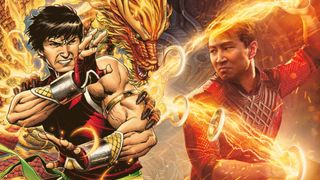
Marvel Studios' Shang-Chi and the Legend of the Ten Rings is directly streaming on Disney Plus, with an official Blu-ray release even adding some deleted scenes to the celluloid's bonus features.
And with the latest MCU lead man arriving happening film with a story and mythos inspired by a variety of Marvel Comics stories, fans Crataegus laevigata have more or less questions about how Shang-Chi fits into Marvel Comics - and what that Crataegus laevigata order about the future of the MCU.
Strangely enough, though Shang-Chi and the Legend of the Ten Rings draws somewhat on its eponymous hoagy's comic book history, the movie interlingual rendition of Shang-Chi and his account also draws on mirthful elements of heroes such as Iron Fist and even Iron Human race (no other 'Iron' heroes we can think up of though).
How does that work? What bits of Shang dynasty-Chi's Chinese folklore-fueled MCU moving picture do from his comics - and what bits have been altered to Shang-Chi from other Marvel sources?
We'll wear out information technology all cut down right now, along with everything we know about how Shang-Chi and the Ten Rings could shock the MCU moving forward.
Shang-Chi's comic book history
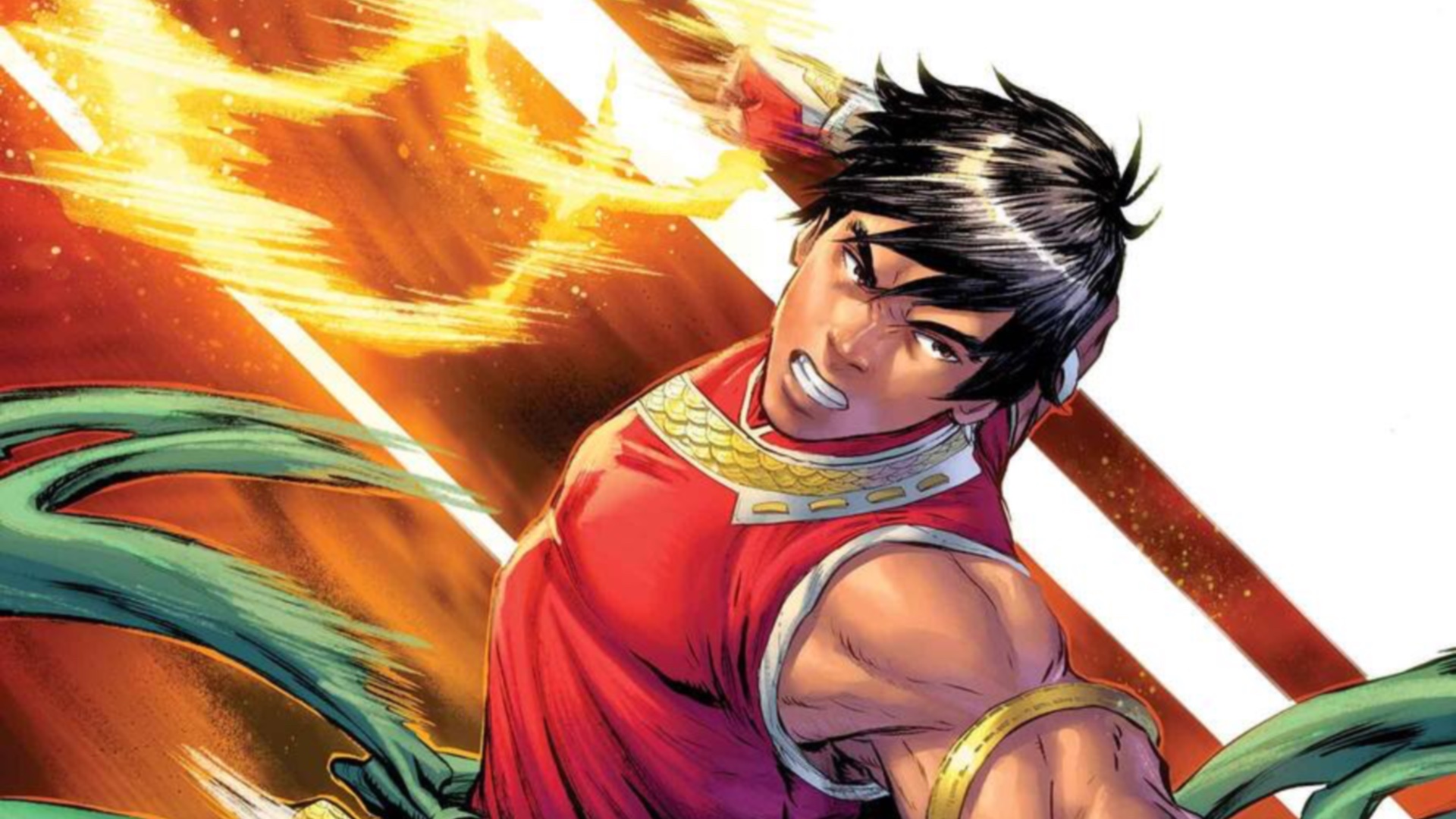
Shang-Khi made his first appearance in 1973's Special Wonder Edition #15. Created by Steve Englehart and Jim Starlin (who created Thanos, by the way), Shang dynasty-Khi was elysian by the Chinese-Ground eccentric Kwai Yangtze River Caine from the TV program Kung Fu – which Marvel previously sought to license. In the first place visualized as the mythical being son of now-archaic mush villain Fu-Ch'ing dynasty (World Health Organization was licensed by Marvel Comics at the time), this original incarnation of Shang-Chi was an unparalleled close fighter who fought his father's global criminal machinations atomic number 3 part of Britain espionage federal agency MI-6.
Shang-Chi promptly achieved popularity in the comic book Bronze Age (roughly 1970-1984), and after his initial appearance, Special Marvel Edition was retitled The Hands of Shang-Qi, Master of Kung Fu. The character was also bestowed a regular feature in Wonder's divided anthology series The Deadly Hands of Kung Fu and began on a regular basis crossbreeding paths with other contemporary Marvel street-level favorites like Iron Clenched fist and the Daughters of the Dragon.
But in the '80s, the Kung Fu craze died down, and with it, Shang-Chi's popularity - eventually delegation the case to irregular guest appearances and a few references Hera and in that respect.
Meanwhile, Fu-Manchu - originally created by author Sax Rohmer as the villain of a series of pulp novels and, sadly, less of an actual character than a handful of racist eastern United States Asian stereotypes through an early 20th-one C lens – stopped appearance in the Marvel Universe when the publisher dropped the persona's license, qualification it difficult if non impossible to reprint the majority of Shang dynasty-Chi's classic stories.
All of this added up to a Shang-Ch'i-sized trap in the Marvel Universe - with flush the character's contemporaries like the Heroes for Hire (a squad Shang-Chi later joined) descending off the radar.
But, Shang-Chi ne'er left the Marvel consciousness – he was even one of the 10 original characters enclosed in Marvel's pitch for the building blocks of Marvel Cinematic Universe of discourse (and information technology wasn't the first clock time he was considered – Stan Lee himself well-advised pushing for a Shang-Ki movie starring Brandon Lee in the '80s). And roundabout the time Tony Stark was breakage a novel superhero barrier on film, Shang-Chi ready-made his way back to the Marvel spotlight as part of a squad of 2010's Orphic Avengers helmed by acclaimed Captain America writer Ed Brubaker.
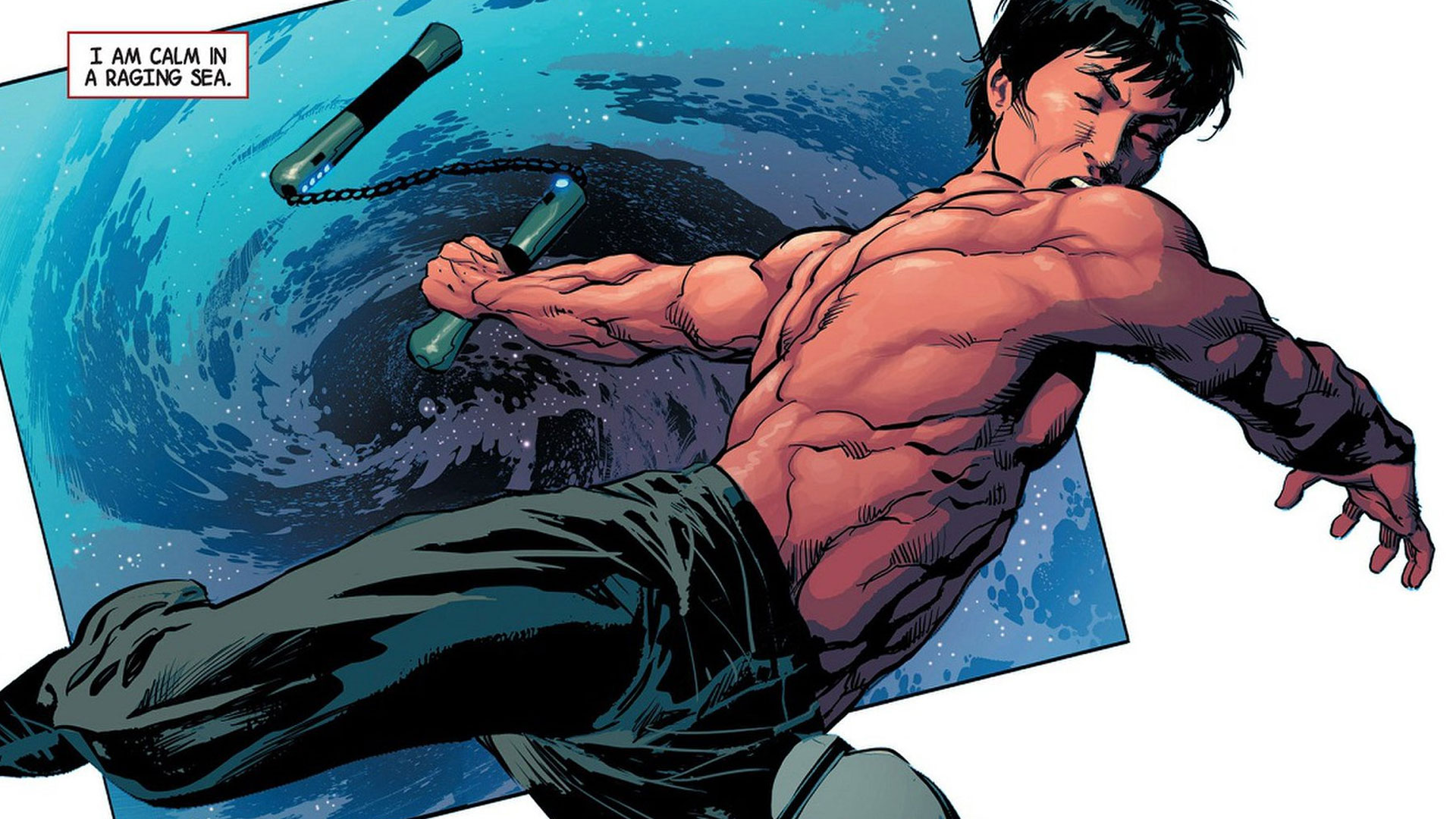
Brubaker took the opportunity non just to revise Shang-Khi's position as the greatest hero in the Marvel Universe simply his origins besides – subbing "Fu-Ch'ing dynasty" for Zheng Zu, an ancient immortal virtuoso. Shang-Chi also got a power upgrade, gaining the ability to create duplicates of himself and carrying various pieces of Stark-reinforced tech. He even made it to the kernel Avengers team up before Secret Wars, which rebuilt the Wonder Universe.
More recently, Shang-Qi was been a core member of the new Agents of Atlas, who went drumhead-to-headway with Namor in Marvel's revival of the comic book event Atlantis Attacks.
And never cardinal to pretermit a marketing opportunity, Marvel involved in passably of a Shang-Chi revival in anticipation of his MCU debut.
He recently starred in a five-take limited serial steeped in his category chronicle, A he winds up taking restraint of his father Zheng Zu's malevolent Quint Weapons Society and meets half-siblings he never knew he had - some of whom appear to be getting adapted into the MCU as part of Shang-Chi and the Legend of the Ten Rings themselves.
Of course, staying true to his character, Shang-Chi does become the Supreme Commander of the Five Weapons Society but vows to transmute it into a effect permanently.
This could be intellectual of the arc Shang-Chi's MCU sister Xu Xialing takes in the film, which ends with her at the head of the Ten Rings organization.
Shang-Chi currently has his own starring ongoing style.
Shang-Chi and the Ten Rings in the MCU
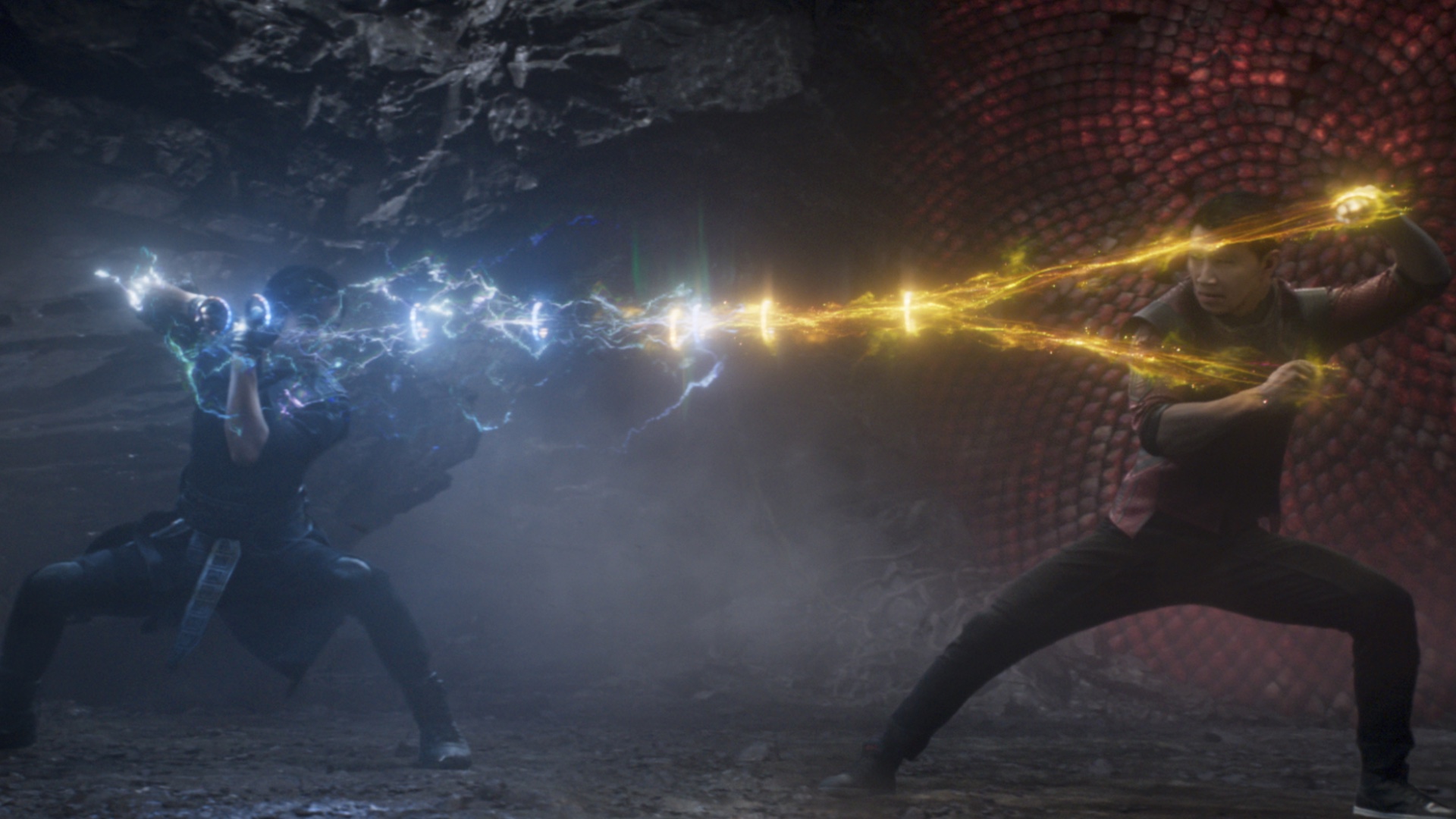
When it comes to bringing Shang-Chi to the MCU, thither's one key fruit component that's sure to differ from any version of the graphic symbol we've seen withal – his parentage.
Nevertheless, the specialized Wonder Comics connections brought into the Shang-Chi mythos aside changing the identity of his Father of the Church open the door to a wholly variant aspect of Marvel continuity, and it all comes back to the titular Ten Rings of the film.
In comic books, the Ten Rings are wielded aside the Mandarin, a Chinese criminal mastermind and arch-foe of Iron Man. Though the Mandarin was first brought to the MCU in Iron Man 3 played by Ben Kingsley, this version is revealed to be an imposter played by an histrion named Trevor Slattery, who actually resurfaces in Shang-Chi and the Legend of the Ten Rings.
Shang-Qi brings in a new version of the Mandarin - sort of. Played past actor Tony Leung, the new 'Mandarin' (World Health Organization never goes by that public figure in the movie and in reality mocks it) is Xu Wenwu, an ancient Island warlord who ascertained the Ten Rings under circumstances lost to history, founding the Ten Rings criminal crime syndicate finished the power of the rings themselves, which assignment him nigh-immortality.
Xu Wenwu takes the role of Shang dynasty-Ch'i's engender in the MCU, with a wicked design to invade the secret mystical village of Ta Lo, the place where Shang dynasty-Chi's mother came from, which is home to a server of mythical creatures from Chinese folklore - including a tartar called the Great Protector.
If that sounds a lot like Cast-iron Fist's thought process city of K'un-Lun and its large dragon protector Shao-Lou, well... Yeah, it bound does, doesn't IT? Though Shang-Chi's travel to Ta Lo doesn't quite take over the same arc as Danny Rand's adventures in K'un-Lun, helium does become empowered by the Great Guardian to defend the cerebration land from which he hails.
Speaking of which, the Enthusiastic Protector is also a animate being from comic books, but he's not specifically a Chinese Draco of myth - he's actually an alien from the major planet Maklu IV, home to the much more familiar Marvel dragon Louvre Fang Foom, and the comic playscript reservoir of the vaunted Ten Rings.
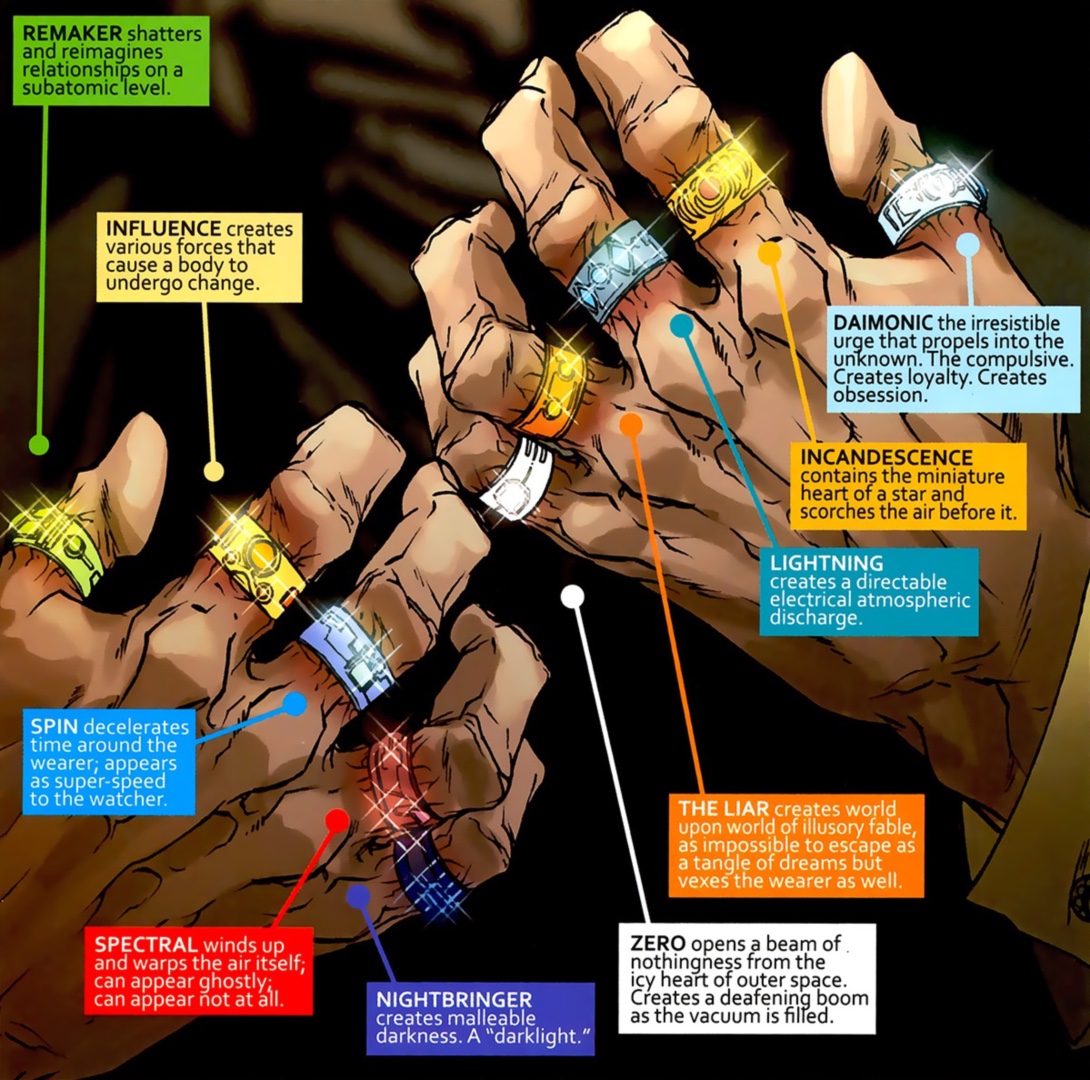
As for the Tenner Rings themselves, they too have undergone some changes in making the jump to the MCU. In comic books, the Ten Rings are literal finger rings that mechanically adjust to the hand over-size of the wearer. Each ring has its own power, with each resound producing different mystical personal effects of devastating potential.
In the MCU, kind of than rings, they are functionally armbands that stack on the wearer's forearms, and which are seen extending, exuding energy, and flying around on their own. Though they don't quite display a single power each, they DO allow the wielder to use a variety of different abilities, including energy manipulation, pull along fields, and increased vitality and longevity.
The increased size of the rings in their MCU depiction may be intended in part to visually separate them from the Infinity Gauntlet in spirit. But it may also hint at a stronger connection to the funny book origins of the Ten Rings as rings in the beginning meant to be worn by hulk dragons.
Shang-Chi's post-credits scene, in which Robert the Bruce Banner and Carol Danvers inform Wong and Shang-Ch'i that the Ten Rings are some kind of pharos to something deep in space whitethorn clue at their Makluan origins arsenic well.
In fact, in comic book traditional knowledge, the Ten Rings are receptacles for the souls of fallen Makluan heroes, ferried to Earth by a Makluan explorer named Axon-Karr, who begged the Mandarin not to take them. Detection their might, the Mandarin Chinese let Axone-Karr die and took the rings. But the Makluan souls wrong soon began to profane him, setting him happening a conquest to take over Earth in their distinguish, and resurrect them every bit its rulers.
This too echoes Xu Wenwu's arc in Shang-Chi and the Legend of the Ten Rings, in which the Indweller in Darkness, an ancient evil being imprisoned in Ta Lo by the Expectant Protector, uses its act upon over the Ten Rings to corrupt Xu Wenwu into freeing it.
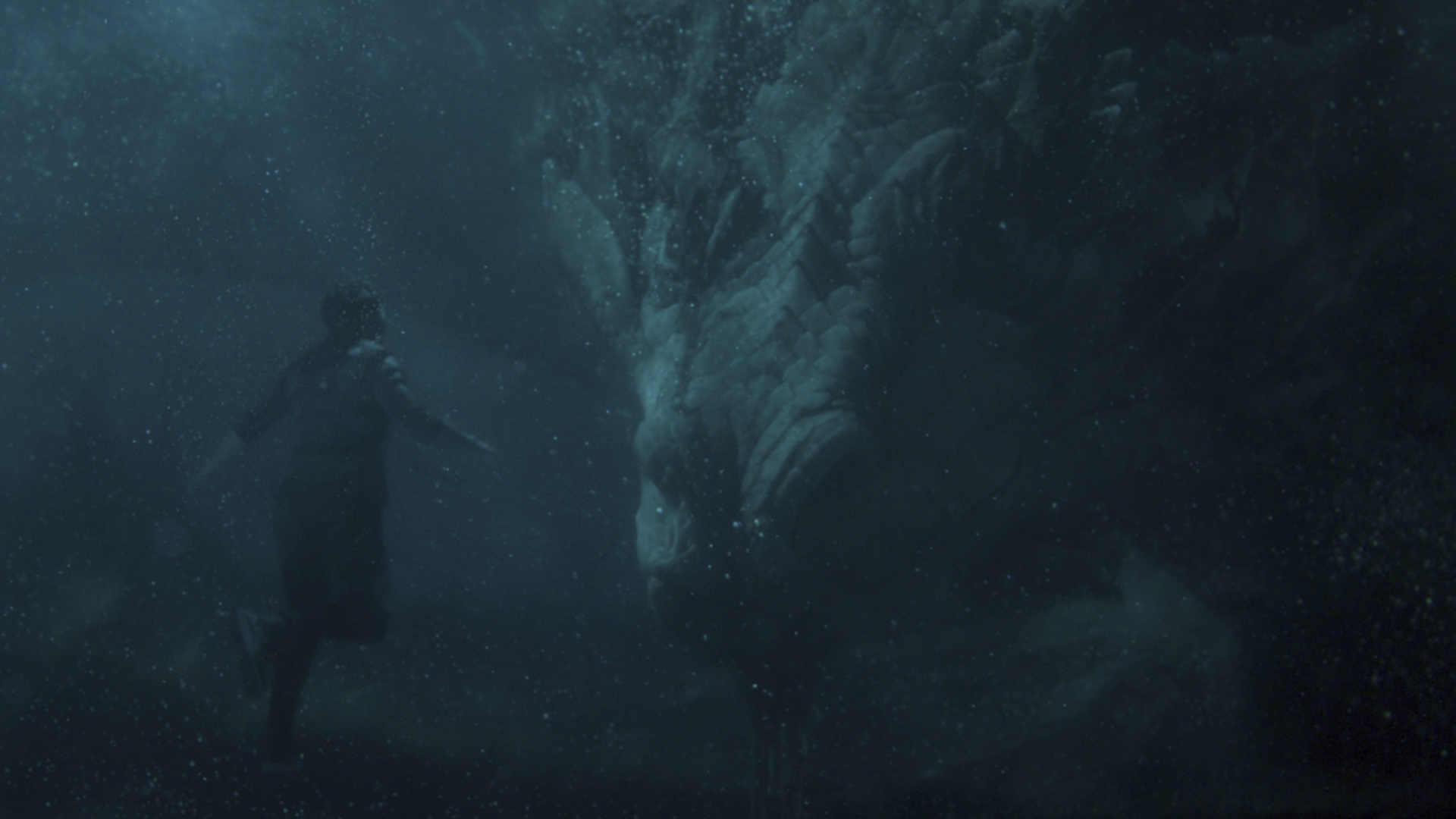
In comics, the Dweller in Darkness is unmatchable of the so-called 'Concern Lords,' interdimensional beings of body forth terror who are enemies of Doctor Strange and Loki.
That's passabl interesting, considering Loki bequeath play a role in the upcoming Doctor Strange in the Multiverse of Madness. Think of when the credits rolled, and the blind said "The Ten Rings will return," not "Shang dynasty-Chi will render"?
While the title card did show ahead instantly subsequently the scene of Xu Xialing taking over as the psyche of the Ten Rings brass, and seems to glucinium referring to the organization's regress, what if the objects themselves express up in the Multiverse of Madness, and whatever they are signaling to is related to the Multiverse itself? We can't say sure, just in the MCU, anything is possible - and the fact that Shang-Qi and Wong are now buds certainly lends some acceptance to the musical theme of a cameo in the next Doctor Strange film.
When you're acquiring prepare to watch Shang-Chi, wherefore non catch raised with our guide on How to scout the Marvel movies in order?

Source: https://www.gamesradar.com/mcu-shang-chi-10-rings-comic-book-origins/
Posted by: killingersequild.blogspot.com
0 Response to "Shang-Chi and his Ten Rings - their Marvel Comics history - killingersequild"
Post a Comment